Risk Analysis

Risk analysis is a comprehensive e-learning course that helps the learner how to conduct an over all risk assessment of any business transaction.

For information about our other e-learning solutions see Course Catalog
  Highlights
Home


Overview

Risk analysis is the process of assessing the uncertainties associated with any situation. For example, if a person is taking a vehicle insurance policy, the insurance company is taking a risk of that person having an accident and a consequent need to pay the insurance. Risk in the financial context defines the contours of a transaction and sets the expectation for both the buyer and seller. Analyzing risk is important both from a buyer's and seller's viewpoint in any transaction. The buyer is typically an institution/bank/individual who holds the bond/debenture. The seller is the entity, which is raising the money for its proposed projects.


Target Audience :

The course is targeted at students of finance, and professionals in the field of risk management, project appraisal, finance, accounting, or business administration who want a deeper understanding of these concepts.


Course Level and Number of Courses
Basic to Intermediate. Library of 5 Courses

Instructional Method
Dynamic, Interactive e-learning

To purchase this course online, visit: Link
http://www.kesdee.com/coursedetails.jsp?productid=297&groupID=4

For purchase,contact us at

  Library of 5 Courses
Home
Risk Analysis

1. Industry Risk:

  • Introduction to Industry Risk
  • Different factors that affect each industry
  • Key drivers of industry analysis
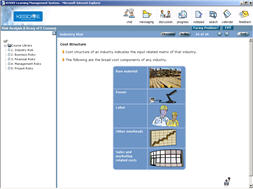
  • Framework for assessing the risks and opportunities associated with various industries, market, revenue and cost structure of various industries
  • Benchmarking of various industries before moving onto company specific risk factors

2. Business Risks:

  • Importance of business risks
  • Components of business risks
  • Sub-components of market risks
  • Various sub-components of market risk
  • Factors on which operating efficiencies depend

3. Financial Risks:

  • Importance of financial risks
  • Components of financial risks
  • Common aspects that can be checked while looking for acceptable accounting norms
  • Importance of various ratios in analyzing the financial risks
4. Management Risks:
  • Importance of management risk
  • Factors that affect management risk
  • Management competency
  • Three strata that need to be addressed in management competency matrix and skill set required for each
  • Management transparency and management integrity
  • Wealth generating capacity including the factors that affect it
  • Wealth sharing philosophy succession planning
  • Corporate governance
  • Various factors that are assessed while evaluating corporate governance
  • Strategic focus and financial aggression

5. Project Risks:

  • Importance of project risk assessment
  • Various components of project risk
  • Introduction to operational risk
  • Three aspects of the senior management support
  • Execution riskFinancing risk
  • Technology riskProject contingency provision
  • Funding of projectsEvaluation of project risk
  Available Products
Home
  Upcoming Products
Home
For more information about our e-learning products and services
visit us at
www.kesdee.com