Global
Economic Crisis - Liquidity Management
Time
taken to complete each Course: One hour 1.
Asset-Backed Commercial Paper Money Market Mutual Fund Facility (AMLF)
- Objectives of
AMLF
- Eligible
borrowers who can obtain loan
- Eligible
collateral for pledge under AMLF
- Accounting
consideration
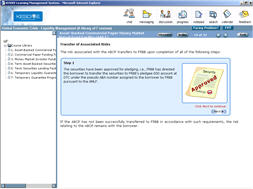
- Associated
risk with the ABCP
- Various
types of regulatory reports
2.
Commercial Paper Funding Facility (CPFF) - Purpose
of CPFF
- Eligible
issuers of commercial paper
- Terms
and conditions of CPFF
- Various
types of commercial paper purchased by SPV
- Eligible
sellers
- The
legal aspects of CPFF
3.
Money Market Investor Funding Facility (MMIFF)
- Purpose
of MMIFF
- Eligible
assets of a SPV
- Eligible
investors
- Steps
required participating in MMIFF
- Downgrade
of an eligible asset
- Termination
and wind-down process
4.
Term Asset-Backed Securities Loan Facility (TALF)
- Purpose
of TALF
- Eligible
borrowers for TALF
- Eligible
collaterals for TALF
- Functioning
of TALF
- Transaction
structure and pricing of TALF
- Roles
of a primary dealer, custodian bank and U.S. Treasury Department
- Non-mortgaged-backed
ABS and explain its eligible collateral
- Eligible
collaterals for newly issued CMBS
- Eligible
collaterals for legacy CMBS
- Process
from subscription to settlement of TALF
- Measures
to protect TALF from credit losses
5.
Term Securities Lending Facility (TSLF)- Eligible
collaterals to participate in TSLF program
- TSLF
auction
- Bidding
process in TSLF auction
- TOP
program and eligible collaterals to participate TSLF program
- Relationship
between TOP and TSLF auctions
- TOP
auction
- Bidding
process in TOP auction
6. Temporary Liquidity Guarantee Program (TLGP)
- Interim
Rule of TLGP
- Amended
Interim Rule of TLGP
- Areas
for which the FDIC sought comments
- Final
Rule of TLGP with respect to:
- Senior
Unsecured Debt
- Debt
Guarantee Program
- Transaction
Account Guarantee Program
7.
Temporary Guarantee Program for Money Market Mutual Funds
- Eligible
funds
- Process
to participate in the program
- Guarantee
providers of the program
- Termination
of the program
8.
Risk Management Lessons from the Global Banking Crisis
- Key
observations and conclusions of the research on Global Banking Crisis.
- Funding
challenges experienced by many financial firms during the crisis
- Observed
and planned changes in funding and liquidity risk management practices
- Supervisory
evaluation of self-assessment and critical areas for continuous firm improvements
9.
International Framework for Liquidity Risk
- The
regulatory standards to promote the short-term resiliency of the liquidity risk
profile of institutions
- How
to promote resiliency over long-term time horizons
- The
Liquidity coverage ratio to identify the amount of unencumbered, high quality
liquid assets of institutions
- The
Net stable funding ratio to measure the amount of longer term, stable sources
of funding
- Various
monitoring tools to monitor liquidity risk profiles of banks
- The
application issues for standards and monitoring tools
10.
IIF Report Reforms in Financial Services Industry
- Risk
management, risk management methodologies and procedures, and implementation of
risk management recommendations
- Liquidity
risk and improvement in liquidity risk management
- Valuation
issues and efforts to improve valuation methodologies, standards, and disclosures
- The
compensation practices in financial institutions and its governance
- The
restoring confidence in the securitization market and the ratings of structured
products and implementation of various recommendations
- Transparency
and disclosure of information about the products on the part of firms
| 
 Home
Home